
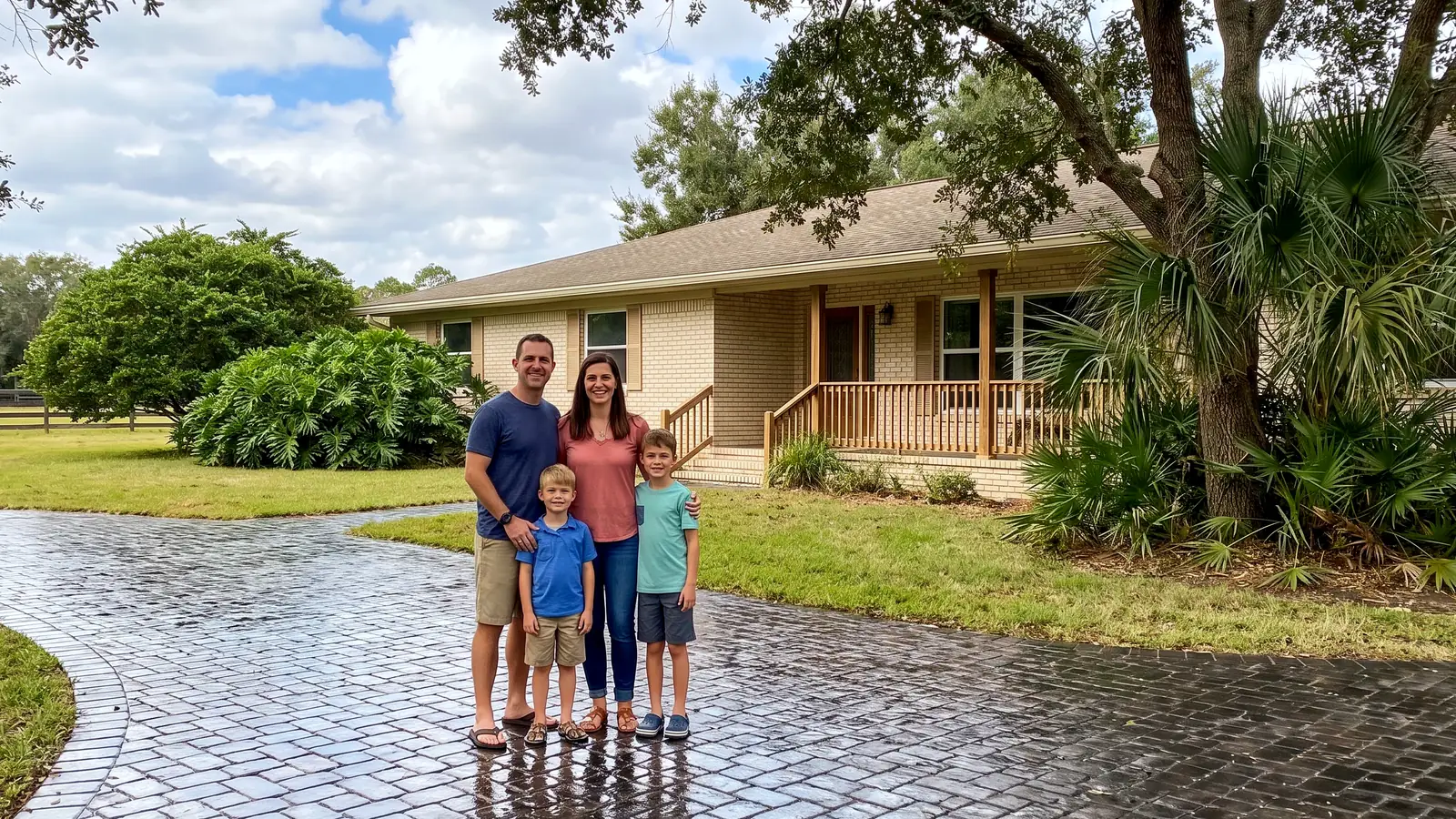
Richer color, steadier joints and easier rinsing
Paver Sealing in Cape Coral, FL
Get a free paver sealing estimate for your Cape Coral driveway, pool deck or patio by calling (239) 842-1847.
- Brings out deeper paver color
- Fresh joint sand helps lock pavers in place
- Gives weeds less room to grow
- Makes the surface easier to keep clean
- Free estimate, no obligation
Request a Free Estimate
Free, no obligation.
How fast can I get paver sealing in Cape Coral?
A local contractor can seal your pavers in Cape Coral, FL, and you will hear back within 1 business day, usually much sooner. The estimate is free, with no obligation to book. To get started, call (239) 842-1847.
Sealing deepens the color of your pavers, helps hold the joint sand in place and makes dirt easier to rinse off. The driveway you pull into at night starts to look cared for again, and the joints stay full of sand. A driveway deals with tires and oil, while a pool deck deals with splash and bare feet, so tell the contractor how each area gets used when you send a quick request.
Paver Sealing Cape Coral FL Is Proud to Serve Southwest Florida
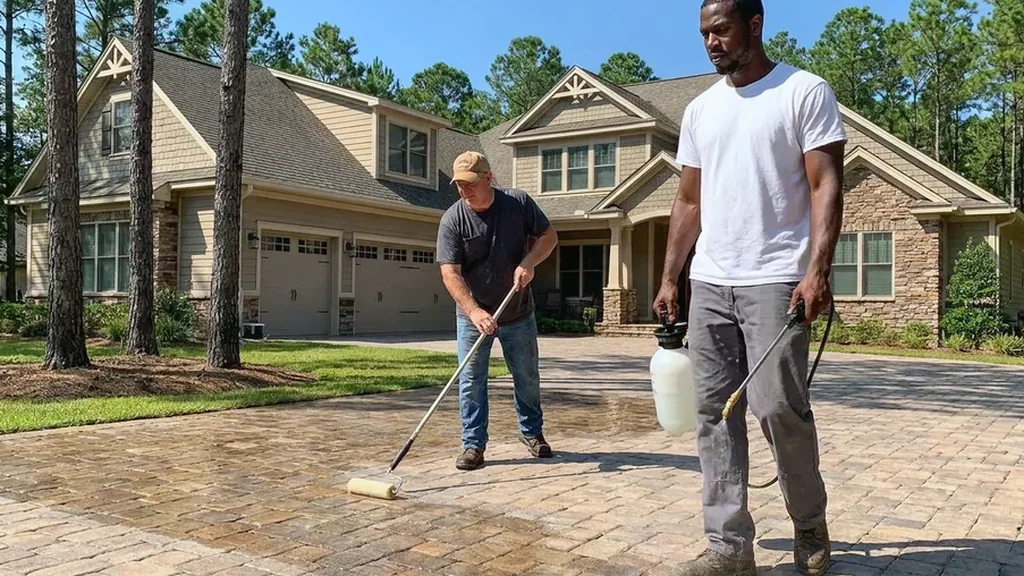
What is included in a paver sealing job?
A sealing job covers a look at the surface, a wash, fresh joint sand and a coat of sealer. The wash comes first, because sealer locks in whatever is left under it. To walk through the steps for your own driveway or deck, call (239) 842-1847.
Surface check
The contractor looks for sunken spots, cloudy old sealer, stains and places where water sits after rain.
Wash and stain treatment
Algae, dirt and rust marks come off first, since sealing over them traps them under the coat.
Joint sand
Polymeric sand goes back into the joints so the pavers stay locked together and weeds find less room.
Sealer coat
The chosen sealer goes on a dry surface in thin passes, at the coverage the maker calls for.
When do pavers need sealing?
Pavers need sealing when the color has faded, the joints have lost sand or water soaks in instead of beading up on an older coat. Lost sand lets weeds in and lets pavers start to shift, and fixing that costs more than a maintenance coat. To get yours looked at, call (239) 842-1847.
Which paver sealer holds up in Cape Coral humidity?
No single product suits every Cape Coral home, so ask which one the contractor plans to use and why. Unilock says many homeowners prefer water-based sealer, which soaks into porous concrete, while a solvent type may be used where it fits. To talk through your options, call (239) 842-1847.
One Cape Coral company warns that solvent sealers can trap moisture in humid weather and leave a milky haze that only stripping fixes. Unilock gives the same warning about a whitish film from trapped moisture. Ask for a small test spot before the full job, as Unilock suggests, when you send a quick request.
Should I choose a natural or wet look finish?
Choose a wet look for deeper color and some shine, and choose a natural finish to stay close to the unsealed look. Unilock notes that a high sheen can turn slippery when wet, while a penetrating matte keeps more traction. Ask to see both on a test spot when you send a quick request.
How often should pavers be sealed in Cape Coral?
Unilock says many owners reseal every three to five years, and a Cape Coral company puts full sun driveways at two to three years. Covered lanais last longer, since the sun reaches them less. Sun, sprinklers and daily car traffic push the number down. To have your coat checked, call (239) 842-1847.
Does more sealer mean more protection?
No, a thicker coat is not a stronger one. Unilock says some products work well with one careful pass and others call for two thin coats, and it asks owners to follow the label. It also links a whitish film to too much sealer or a second coat put on before the first one set. Be careful with an offer built on extra coats, and ask about coverage before you send a quick request.
When is the right time of year to seal pavers in Cape Coral?
A dry stretch is the right time. Wikipedia describes November to April as the dry season in Cape Coral, with only sporadic rain, and May to October as hot and humid with erratic downpours. Unilock advises checking the forecast, because rain during the cure can lower how well sealer works. To pick a date, call (239) 842-1847.
Shade matters as well. Unilock advises working in shaded conditions, so the contractor may choose the cooler part of the day or push a job back when storms are due. If a storm moves the job, who picks the new date? Ask it when you send a quick request.
Will sealing fix sunken pavers?
No. Unilock says sealing can improve durability and looks, but it is not a cure for poor drainage or base problems. Pavers that have sunk or pulled away need to be leveled first, so ask whether the price covers that work. Bring it up when you send a quick request.
Which paver surfaces can be sealed?
Pavers on a driveway, around a pool, on a patio or along a walk can all be sealed. Every area wears differently, so the plan should follow how it gets used. To start with yours, send a quick request.
Driveways
Tires, oil drips and open sun all land on the driveway first. Sealing here evens out the color and keeps sand in the joints, so a parked car does not rock the pavers loose.
Pool decks and lanais
Splash, sunscreen and bare feet wear a pool deck in their own way. Sealing around a pool should leave a surface that still drains and still has some grip.
Patios
A shaded patio stays damp longer, which gives algae a head start. Sealing on a patio goes after the green patches first and slows their return.
Walkways and entries
Walkways run beside beds, sprinklers and soil, so they pick up stains early. Sealing at an entry means guests step onto a clean surface first.
What paver problems are common in Cape Coral?
Five paver problems come up often in Cape Coral: fading, green growth, lost joint sand, sprinkler marks and failed old sealer. To have yours looked at, call (239) 842-1847.
1. Color fading in full sun
Wikipedia says Cape Coral averages about 355 days of sunshine a year, and pavers with no shade lose color under that light. A fresh coat deepens what is left and slows more fading.
2. Green growth in damp spots
The wet season runs May to October and is hot and humid, so shaded corners and the north side of a house stay damp. Algae moves in there, and a green walkway turns slick.
3. Sand washed out of the joints
Summer downpours carry sand out of the joints. Without it pavers shift and weeds take root, so fresh sand goes in before any sealer does.
4. Sprinkler and rust marks
Sprinklers that hit one strip every morning leave streaks. Water from a Florida well is usually high in iron, UF/IFAS says, and the iron shows up as rust where the spray lands.
5. Cloudy or peeling old sealer
Unilock says a whitish film usually points to trapped moisture, too much sealer or sealing over an incompatible product. It has to be dealt with before new sealer goes down.
What does paver sealing cost in Cape Coral?
A Cape Coral company publishes $1.25 to $2.75 per square foot to clean, sand and seal. It names five things that move a price: how much surface there is, the sealer chemistry, any stripping of an old coat, how much joint sand is needed and how hard the area is to reach. Large areas usually cost less per square foot, and water-based marine sealers cost more than cheap acrylics. For a real number on your home, send a quick request.
Only need a wash? Start with the cleaning guide. The coverage list shows where contractors work, and Cape Coral paver sealing is the place to ask for a quote.
| Paved area | Typical example | Clean, sand and seal |
|---|---|---|
| 300 sq ft | Small patio or walkway | $375 to $825 |
| 600 sq ft | Two car driveway | $750 to $1,650 |
| 1,000 sq ft | Large driveway or pool deck | $1,250 to $2,750 |
| 1,500 sq ft | Driveway plus pool deck | $1,875 to $4,125 |
Math based on the $1.25 to $2.75 per square foot that Southwest Florida paver companies publish. Your contractor sets the actual price after seeing the surface. Repairs, leveling and stripping failed sealer are usually extra.
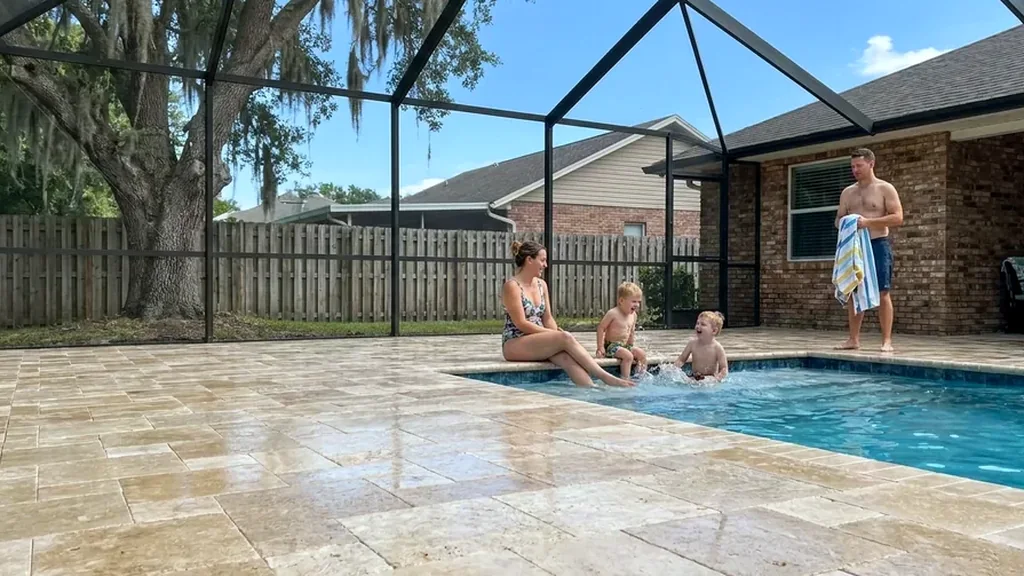
Why use a local contractor for paver sealing?
A local contractor already works in the same sun, summer rain and salt air your pavers face. Ask for the price in writing, and take as long as you like to decide. To get started, call (239) 842-1847.
Contractors who work nearby
Your request goes to a local contractor who covers Cape Coral and the area around it. You hear from someone who works in the same heat, rain and salt air your pavers do.
A price before any commitment
The estimate is free. You settle the work and the price with the contractor, and you can say no.
Local numbers to compare
You can read the per square foot range a Cape Coral company publishes before anyone calls you. The first quote you get then has something to be measured against.
You make the call
You choose who to hire and when. Use the contractor checklist to ask about insurance and licensing, and get the price in writing.
How do I get a free paver sealing estimate?
Call or send the short form. A local contractor gets back to you within 1 business day, usually much sooner.
Free, no obligation
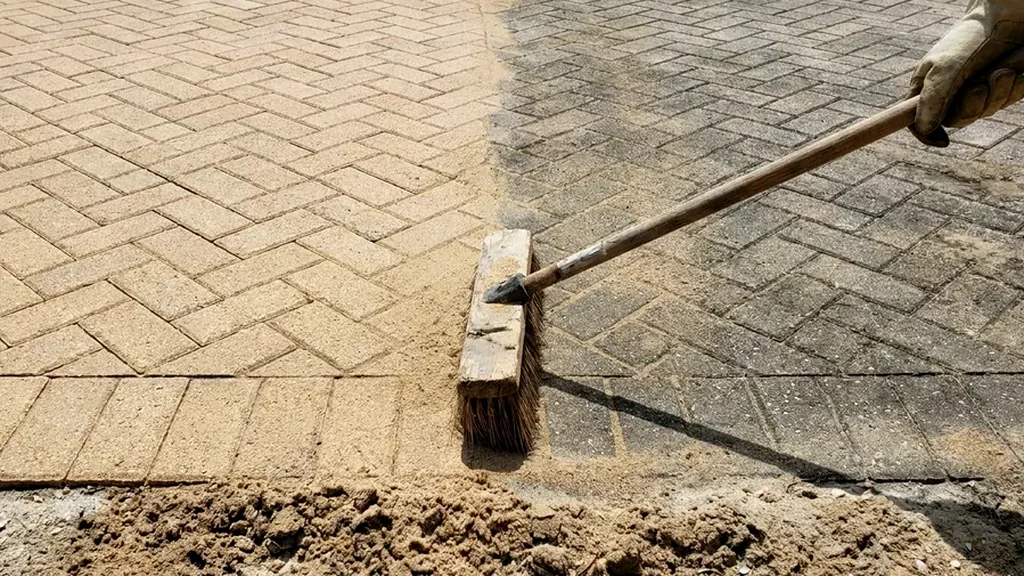
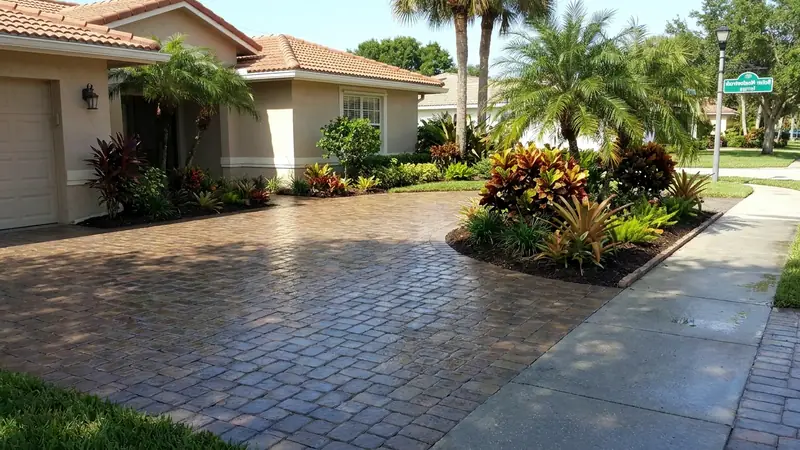
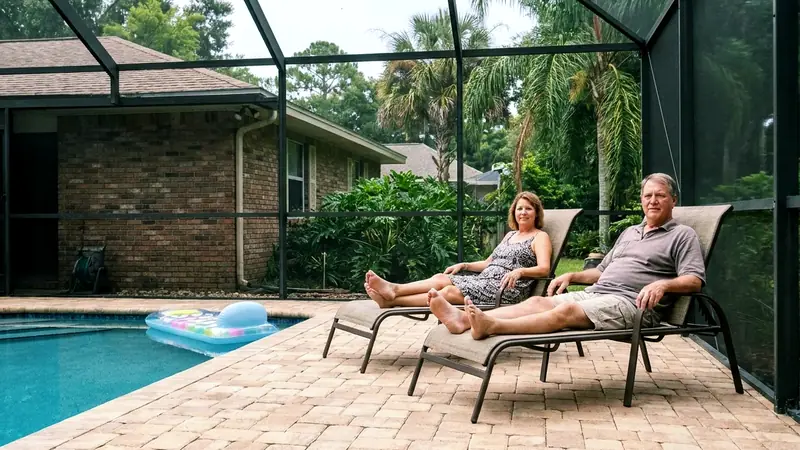
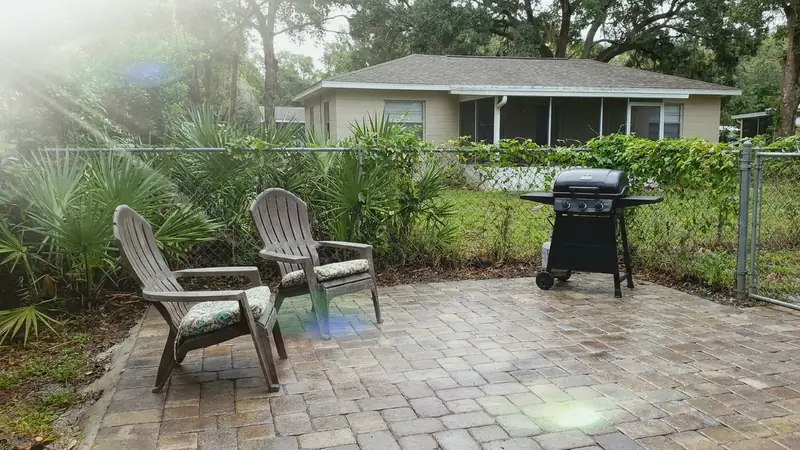
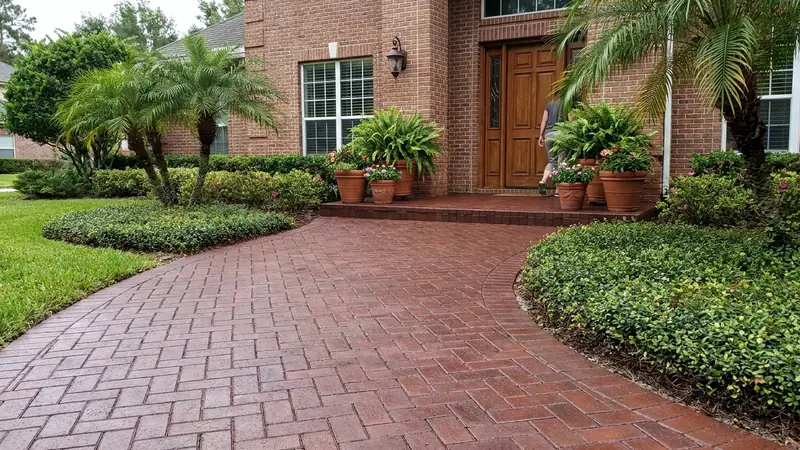
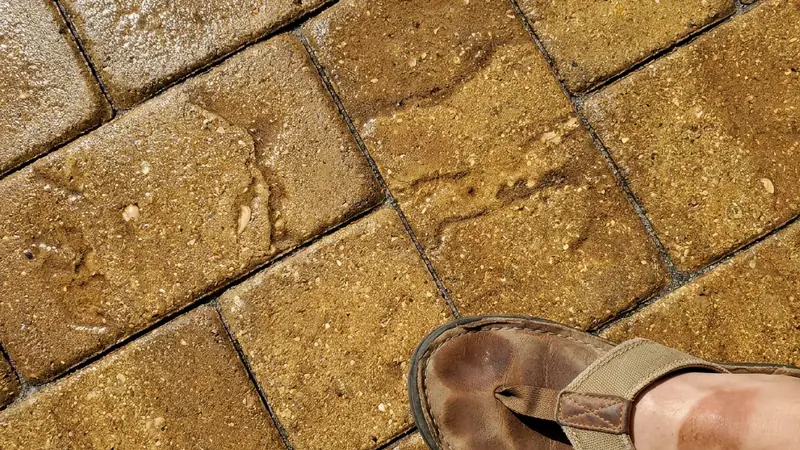
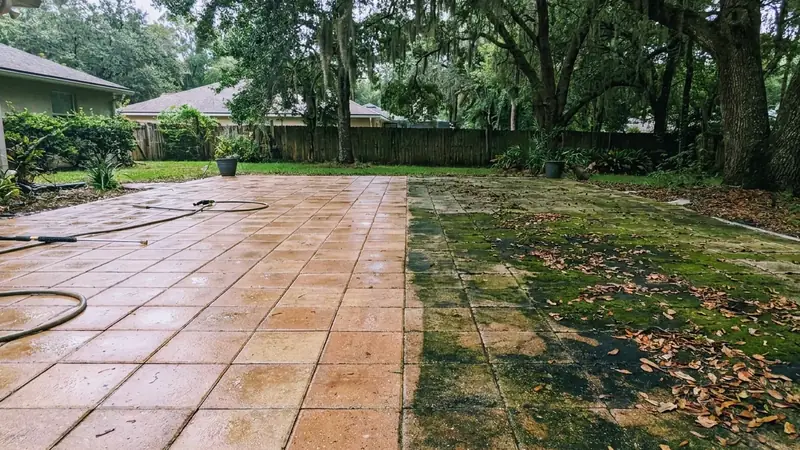
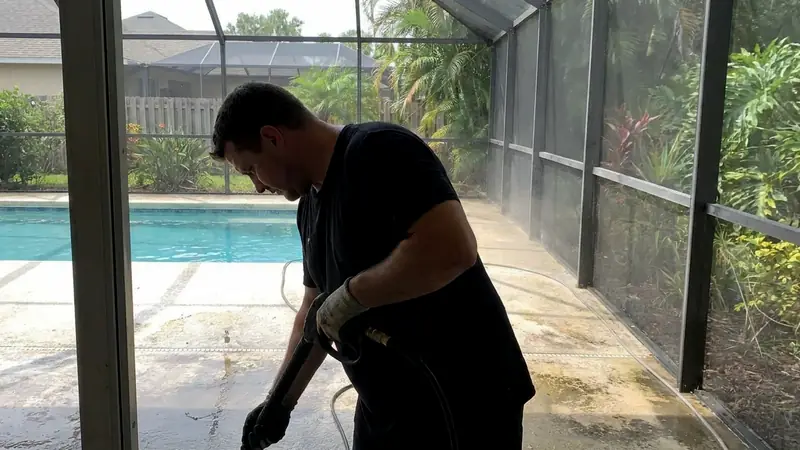
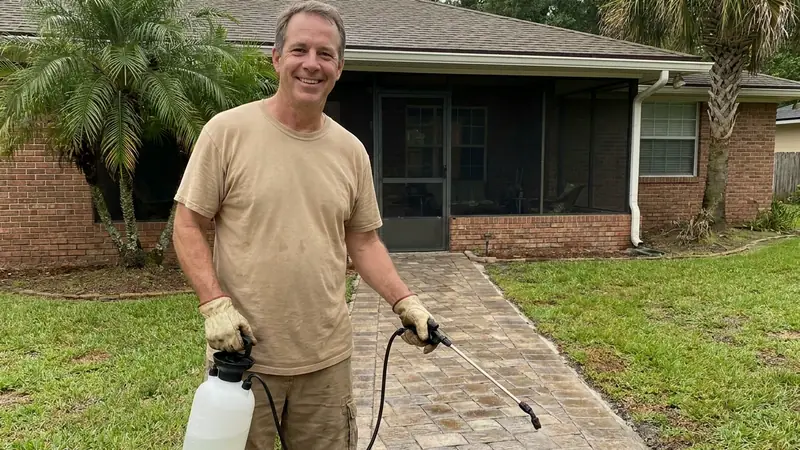
How do Cape Coral pavers look after a fresh seal?
How does the paver sealing process work?
The paver sealing process runs in five steps, from the first look at the surface to a walk through the finished job. To get on the schedule, call (239) 842-1847.
1. Look the surface over
The contractor walks the pavers before pricing the job. They check for sunken spots, stains, old sealer and low areas where water sits.
2. Wash it
A cleaner goes on to loosen algae and grime, and the surface is rinsed in sections. Unilock says to keep the spray at no more than a 30 degree angle so the joint sand stays put.
3. Let it dry
Sealer only bonds to a dry surface. Unilock says to allow more drying time than you think you need, because leftover moisture can cloud the finish.
4. Refill the joints
Polymeric sand is swept in, wetted as the label directs and topped off until the joints are full. That locks the pavers together again.
5. Seal and walk it with you
Sealer goes on in thin, even passes with a sprayer, a roller or both. At the end, the contractor walks the finished area with you and says how long feet and tires should stay off.
Frequently Asked Questions
How much does it cost to seal pavers in Florida?
A Cape Coral company publishes $1.25 to $2.75 per square foot to clean, sand and seal, so a 600 square foot driveway comes to about $750 to $1,650. The same company lists stripping old sealer and resealing at $3.50 to $5.00 and up per square foot, and failed sealer is the biggest reason a quote climbs.
How often should you reseal pavers in Florida?
Unilock, a paver maker, says many owners reapply every three to five years, depending on wear, exposure and product. One Cape Coral company puts full sun driveways at two to three years and covered lanais at four to five. Look for faded color, sand washing out and water that soaks in instead of beading.
Is it better to spray or roll paver sealer?
Both work, and plenty of contractors use a sprayer and a roller together. Unilock lists a low pressure sprayer or a roller that the sealer maker specifies, then a back roll to even out lap marks. Ask which of those the contractor plans to use on your pavers.
Do concrete pavers need to be sealed?
No, they do not have to be. Unilock says its own pavers perform without sealer. The right sealer can still deepen color, help keep sand joints intact and add protection against moisture and stains, so many Cape Coral homeowners choose it.
What should I clean pavers with before sealing?
Unilock suggests soap and water or a cleaner made for pavers, scrubbed with a soft bristle brush, since wire bristles can leave metal bits that rust. One Cape Coral company adds an algae treatment, because pressure alone will not kill black algae, and oxalic acid for rust spots.
Should pool deck pavers be sealed?
Often, yes. Unilock says a sealer gives a pool deck, where splash and sunscreen land, more resistance to moisture and mildew. It also warns that a high sheen can turn slippery when wet, so ask about a matte or slip resistant finish for a deck.
What to seal concrete pavers with?
The two main types are water-based and solvent-based sealer. Unilock says many homeowners prefer water-based because it soaks in well on porous concrete. One Cape Coral company says solvent sealers can trap moisture in humid weather and turn milky.
How long should you stay off pavers after sealing?
One Cape Coral company lists light foot traffic after 4 to 6 hours, cars after 24 to 48 hours and a full cure in about 7 days. Unilock says many sealers allow light foot traffic the same day while full strength takes longer. Follow what the product label says.
How long does a paver sealing job take in Cape Coral?
Plan on one to two days. One Cape Coral company runs the wash and stain treatment on day one, lets the pavers dry overnight, then adds joint sand and sealer on day two. A summer storm can delay that second day.
Can pavers be sealed on a canal front home in Cape Coral?
Yes. Unilock says a sealer with strong resistance to sun and salt can help in coastal parts of Florida. With more than 400 miles of canals in the city, ask the contractor how they rinse salt residue off before the coat goes on.
Ready to see what a coat of sealer could do for your pavers?
Call or send the short form. A local contractor replies within 1 business day, usually much sooner, and the estimate costs nothing.
Free, no obligation