
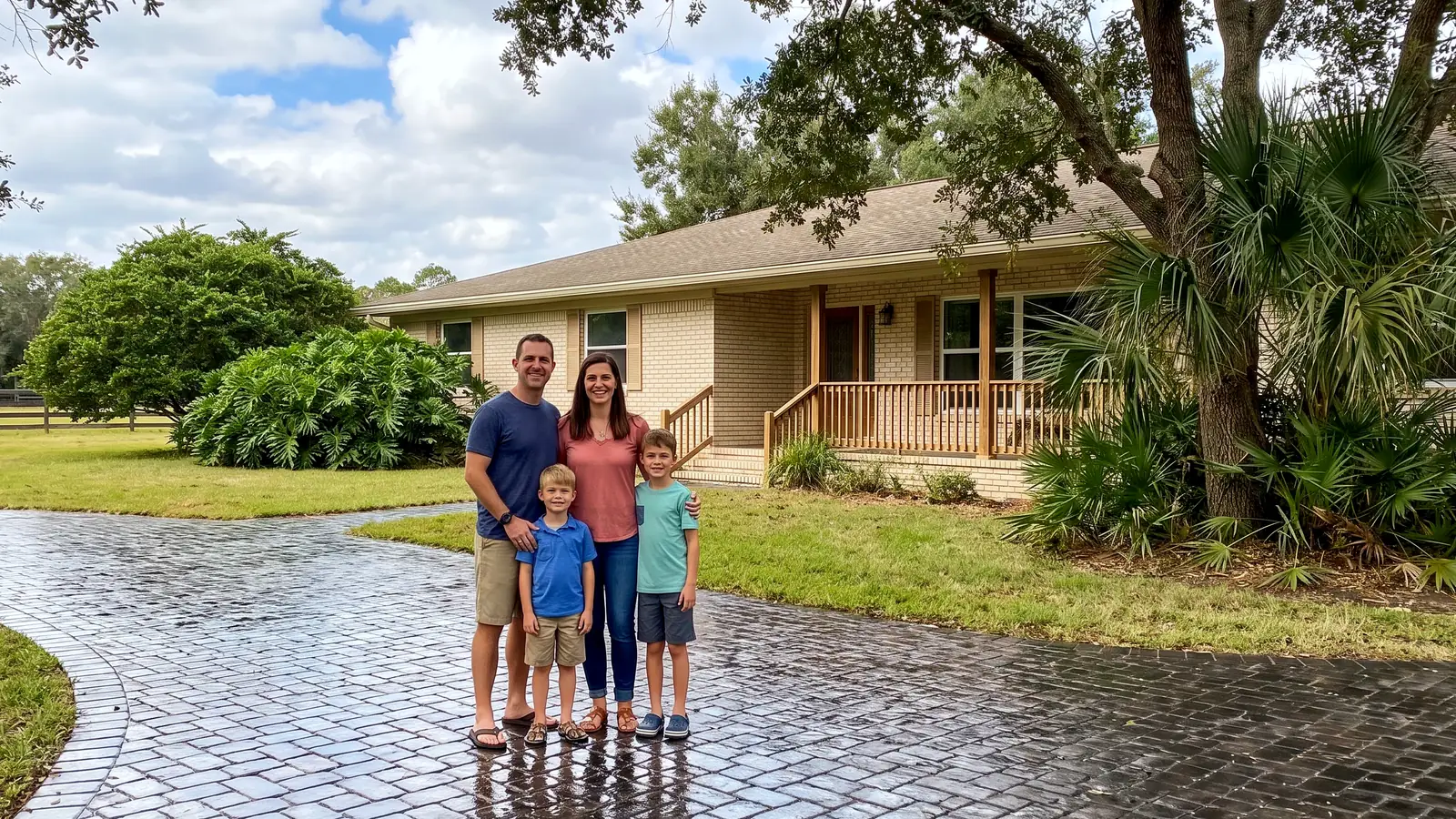
Paver sealing for Punta Gorda homes
Paver Sealing in Punta Gorda, FL
Salt air off Charlotte Harbor dulls Punta Gorda pavers, so call (239) 842-1847 for a free sealing estimate.
- Brings out deeper paver color
- Fresh joint sand helps lock pavers in place
- Gives weeds less room to grow
- Makes the surface easier to keep clean
- Free estimate, no obligation
Request a Free Estimate
Free, no obligation.
Fast, careful paver sealing in Punta Gorda
You can get paver sealing in Punta Gorda with a free estimate, from Punta Gorda Isles to the streets near the Peace River. A local contractor cleans the pavers, refills the joints and seals them. Call (239) 842-1847, and the contractor's reply arrives within 1 business day, usually much sooner.
Think of a canal-side lanai where the pavers have turned dull and the joints have gone green. A wash, fresh sand and a new coat bring back an even color you can walk across barefoot. If you would rather write than call, you can send a quick request.
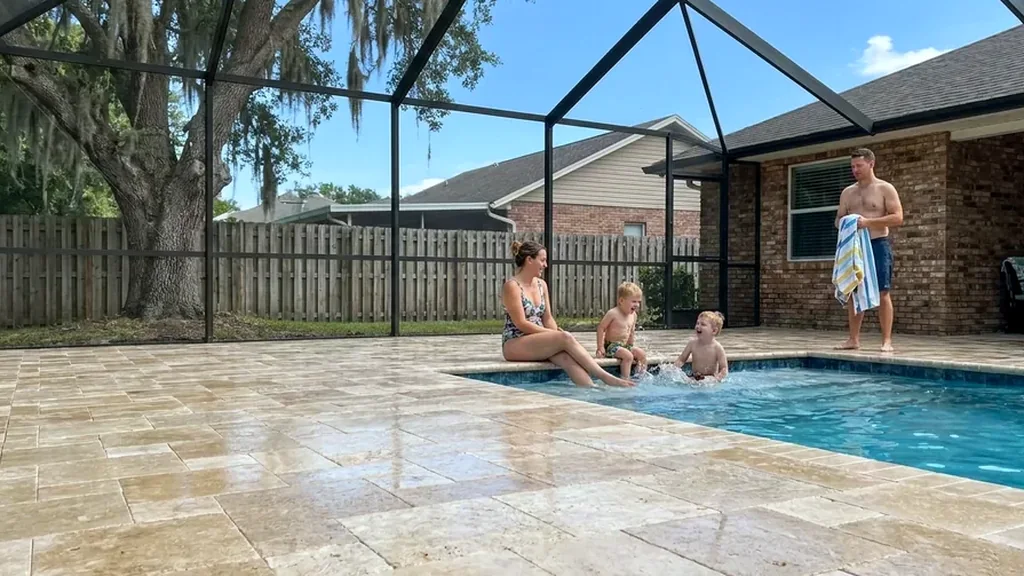
Why hire a local paver sealing contractor in Punta Gorda?
A local paver company says most of Punta Gorda sits within a few hundred feet of open salt water. A contractor who knows the harbor brings the right questions, so call (239) 842-1847 to hear them.
Free estimate
A local contractor looks over your Punta Gorda pavers for free, and a price comes before any work is agreed.
Published price range
The published range for Southwest Florida is $1.25 to $2.75 per square foot to clean, sand and seal. Use it to check a bid.
Finish choice
Matte or wet look is your call. A wet look shows scuffs sooner, which is worth weighing on a driveway that sees daily tires.
No pressure
No obligation attaches to the estimate. You hear back within 1 business day, usually much sooner.
Get Your Free Estimate in Punta Gorda
Tell us about your pavers in Punta Gorda.
Free, no obligation
What paver problems show up most in Punta Gorda?
Salt air and harbor humidity
One local paver company says most of Punta Gorda sits within a few hundred feet of open salt water, and that salt-laden air works on sealer film and joint sand every day. The city lies on Charlotte Harbor where the tidal Peace River comes in. Pavers close to the water may wear faster, so a contractor checks the coat before it fails. Ask how the coat on your lot is holding up, and say how close your pavers are to the water. A lot on the harbor and a lot three streets back may need different timing between coats. The contractor can only judge that by looking at the surface in person. The Harborwalk runs 2.4 miles along the harbor and the Peace River to Fishermen's Village, a reminder of how close the water is. Pavers on the water side of a lot meet more salt than pavers on the street side, so the contractor looks at both. Rain rinses some salt off, so a driveway can look clean even when the coat has thinned.
Canal lots built on dredged sand
Punta Gorda Isles began in 1959 with 55 miles of canals, each 100 feet wide and 17 feet deep. The dredged sand raised the canal-front land. If you see a low spot or joints that keep emptying near the canal edge, point them out. Those need a look before any sealer goes on, because a coat cannot fix a dip. A coat laid over a low spot keeps the low spot. Fixing the base first is simpler and keeps the new coat even. The canals were dug 17 feet deep, and that spoil is what built up the lots. Seawall caps and pool decks sit close together on many canal lots, so edges and steps get a careful look. When pavers sit close to a seawall or a pool edge, the contractor checks that nothing has shifted before sealing.
Homes from two building eras
The median Punta Gorda home was built in 1994, and most of the city's roughly 13,800 homes went up between 1970 and 1999. That means many pavers have seen decades of summer rain. Some may carry a coat from an earlier owner. The two sealer types do not mix, so the contractor needs to know which one is there. If you bought the home used, ask the seller or a neighbor what was applied. Even a guess helps, since it tells the contractor where to test first. The same company counts 7,800 homes from 1970 to 1999 against only 840 from before 1970. Older block homes may have had pavers added in stages, which means one drive can carry two or three different coats. Mixed coats show up as patches of shine and dull side by side, a clue that parts of the drive were sealed at different times.
Orange marks from sprinklers
Well water in most of Florida carries a lot of iron, and spray from it leaves orange marks where it lands. On a Punta Gorda lanai or walkway, those show up as rust lines along the edge nearest the sprinkler heads. Sealer would hold the stain in place, so that gets treated first. Moving the heads away from the pavers helps keep new marks from forming. A sprinkler timer that runs at dawn can leave the same streak week after week. Mention what you see on the wall or pool cage frame too, since that shows where the spray reaches. A county extension office can point you to a water test for iron. Lanai tracks, pool cage frames and downspouts near the sprinkler heads often show the same orange tint. A faint orange tint along a walkway edge is easy to miss until the pavers are wet.
Winter residents and closed-up homes
The Census counts 2,727 Punta Gorda homes as held for seasonal, recreational or occasional use, according to one local paver company. If yours is one of them, tell the contractor when you are in town and when you are away. A summer job can go ahead without you if access and gate details are clear. Leaving a clear note about water and parking saves a return trip. You can also pick the sealer finish by phone ahead of time and look at the result when you are back. The 2020 Census counted 19,471 residents with a median age of 67.6, so a plain plan and a set time window matter. A short note listing your arrival and departure dates is all the contractor needs to plan around your travel. If you winter elsewhere, the contractor can send photos before and after, so you see the result without being here.
Do Punta Gorda Isles and the historic district need different paver care?
Yes, because the two areas were built in different eras. Punta Gorda Isles began in 1959 and mixes smaller 1970s concrete block houses with newer custom homes, some as large as 16,000 square feet. A small block house and a large custom build on the same canal need different jobs. Say which of the two you own when you send a quick request.
Downtown, the Punta Gorda Residential District holds 125 mostly residential buildings from the mid-1880s to the late 1910s, and it was listed on the National Register of Historic Places in 1991. Pavers beside homes that old call for gentle rinsing near wood and old masonry. The Harborwalk runs 2.4 miles along the water to Fishermen's Village. Call (239) 842-1847 if your home is in or near the district.
Farther out, Burnt Store Marina fronts the harbor and Harbour Heights runs along the Peace River. Those areas use ZIP codes 33955 and 33983, while downtown and Punta Gorda Isles use 33950. Say which area you are in when you send a quick request, so the visit is planned for your street.
What does paver sealing cost in Punta Gorda?
Across Southwest Florida, companies commonly publish $1.25 to $2.75 per square foot to clean, sand and seal. Many canal homes have a driveway, a lanai and a pool deck, and each one adds square feet. Heavy growth and old sealer are what move a job inside the range. For a price on your lot, send a quick request, and the estimate carries no obligation.
Access can change the number too. A narrow side yard by a seawall means gear gets carried by hand, and a lot with no street parking needs planning. Open driveways go faster than tight courtyards. Call (239) 842-1847 to ask how your layout would be priced.
| Paved area | Typical example | Clean, sand and seal |
|---|---|---|
| 300 sq ft | Small patio or walkway | $375 to $825 |
| 600 sq ft | Two car driveway | $750 to $1,650 |
| 1,000 sq ft | Large driveway or pool deck | $1,250 to $2,750 |
| 1,500 sq ft | Driveway plus pool deck | $1,875 to $4,125 |
Math based on the $1.25 to $2.75 per square foot that Southwest Florida paver companies publish. Your contractor sets the actual price after seeing the surface. Repairs, leveling and stripping failed sealer are usually extra.
How does a paver sealing job work in Punta Gorda?
Check the lot and the old coat
The contractor looks at the driveway, lanai and pool deck, and asks whether any of it was sealed before. A solvent-based old coat rules out a water-based sealer on top. Low spots near the canal edge are noted now, so they can be reset first. Seasonal owners can share their dates at this step so the visit fits. You get a clear plan for each surface before any work starts, and you can ask questions at the door. Bring up the pool deck and any steps down to the water, so every surface goes on one list. Take a minute to point out stains, weeds and any pavers that rock underfoot. The contractor also notes where the downspouts empty, since that water can wear one corner of the lanai.
Wash off salt film and green growth
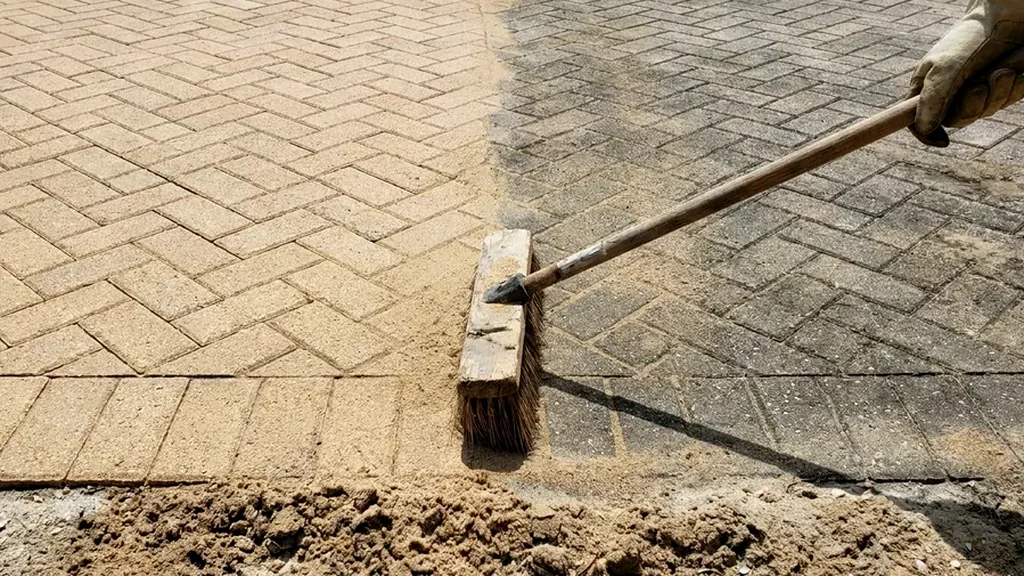
Washing lifts the film that harbor air and rain leave behind, along with green growth in shaded corners. Rust marks near sprinklers are treated first, since sealer would trap them. Plant beds are shielded from rinse water where that is possible. The cleaner the surface gets, the better the sealer holds. Furniture, planters and mats come off the work area first, and the contractor will say what needs moving. With Charlotte Harbor close by, wash water is aimed away from the seawall. Wash water that reaches a canal is a real concern, so the contractor plans where the runoff goes. Lanai floors under a screen cage get the same wash, with care around the frame and the tracks.
Refill the joints
Washing takes joint sand with it. New sand goes back in and is swept until the joints are full. Joints topped off hold the pavers together and give weeds little to grab. Check that your written estimate names the sand. Sand that sits low is a sign the joints have been washed out by rain or past cleaning, and it is worth pointing out to the contractor. Sand sits low after a rinse, so a second pass along the edges is common. Edge joints beside the seawall and pool coping are checked twice, since they lose sand first. Sweeping and compaction come last, so the pavers settle firmly into the new sand.
Let the surface dry
Sealer needs a dry surface. The National Weather Service puts the Southwest Florida rainy season at May 15 to October 15, and a local company says the Punta Gorda airport records about 53 inches of rain a year. In summer, early starts help. Shaded pavers beside a lanai wall may need more time, and a careful contractor waits. A short delay costs less than redoing a coat that went down damp. At the peak, from July to early September, the National Weather Service expects heavy rain and frequent lightning. On a clear morning the surface can dry early, and the contractor decides when it is ready. A cloudy morning can still leave the surface damp, so the contractor checks it by hand before sealing.
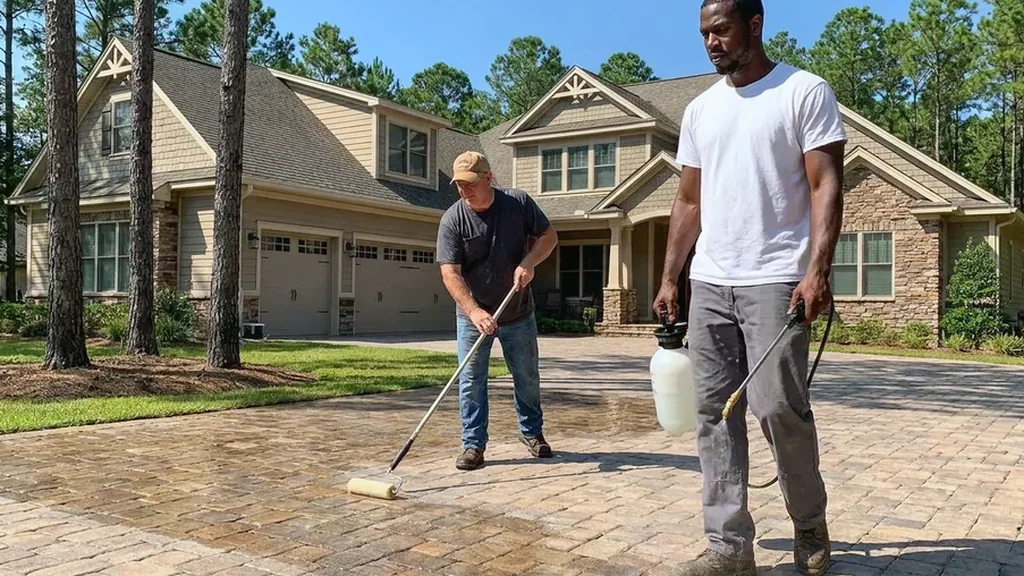
Seal in the finish you chose
The sealer is applied in the finish you picked, matte or wet look. A matte finish stands up to scuffs better than a wet look. Companies commonly quote two to five years between coats, and a waterfront lot is a good reason to ask where you fall in that span. Ask how long cars should stay off, because the product and the weather set that time. Keep pets and kids off until the contractor says the surface is ready, and ask when the sprinklers can run again. Ask the contractor to write down the product name, so the next coat matches. The contractor walks the finished surfaces with you and notes anything to touch up. Cars and bikes should stay off until the contractor gives the all clear.
Complete paver services in Punta Gorda
A Punta Gorda job runs in four steps: wash, refill the joints, dry and seal. Each step protects the next, so none gets skipped. A lanai and a driveway may be done on separate days if the weather splits them. To hear how long your lot would take, call (239) 842-1847.
Many canal homes have three surfaces: a driveway, a pool deck and a lanai. They wear in different ways. Tires mark the drive, the pool deck takes sun and splashes, and a lanai stays damp in shade. Ask for all three in one written estimate when you send a quick request, and mention any steps or edges near the water.
Sealer comes in water-based and solvent-based types, and they do not mix. A wet look gives richer color, though scuffs show up faster. Tell the contractor how you use each surface, since a pool deck and a drive ask different things of a finish. Call (239) 842-1847 and describe yours.
Summer rain sets the calendar. The National Weather Service puts the Southwest Florida rainy season at May 15 to October 15, so some owners pick the drier months. A dry spell inside the rainy season works too, if the surface is fully dry. For an open date on your street, send a quick request.
Questions to ask before you hire
- Is the sealer a matte finish or a wet look, and can I see a test spot first?
- Do you take a deposit, or do I pay when the job is done?
- Do you strip an old coat that has gone cloudy or white, and is that priced separately?
- Can you rinse off the salt film and mildew that builds up near the water?
- Will the written estimate name the sealer and the number of coats?
- Does the quote cover the lanai, the pool deck and the driveway as one job or three?
- Will you cover my pool cage screens and plant beds before you spray?
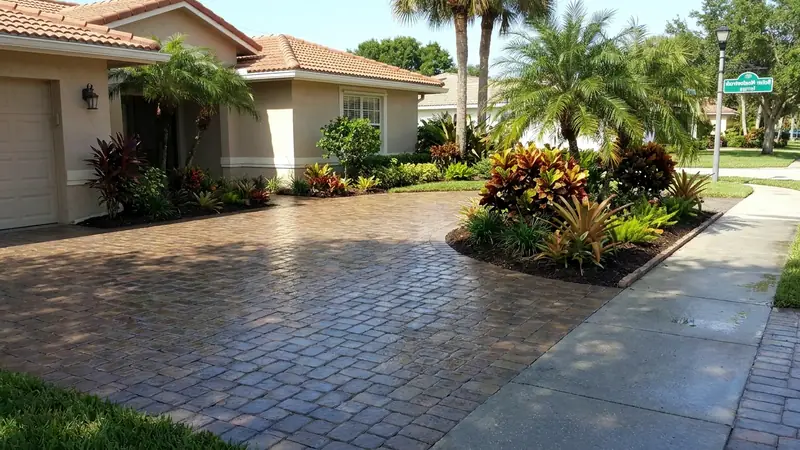
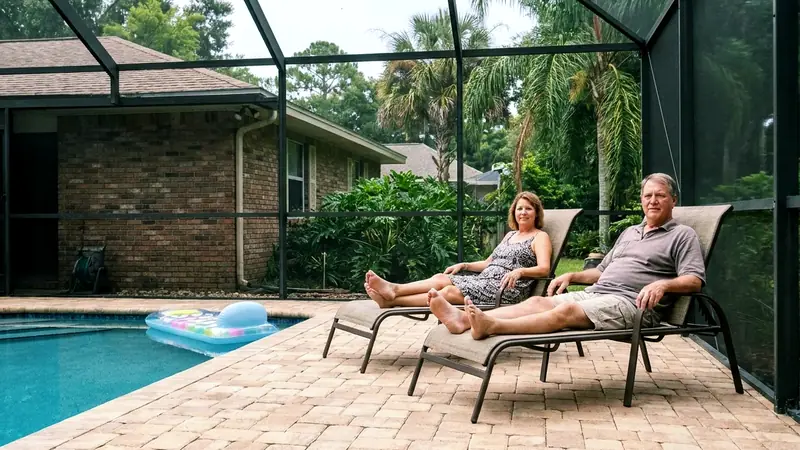
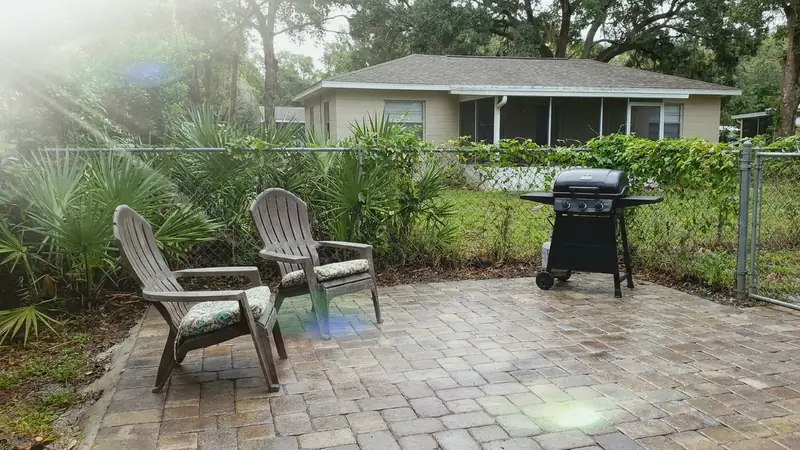
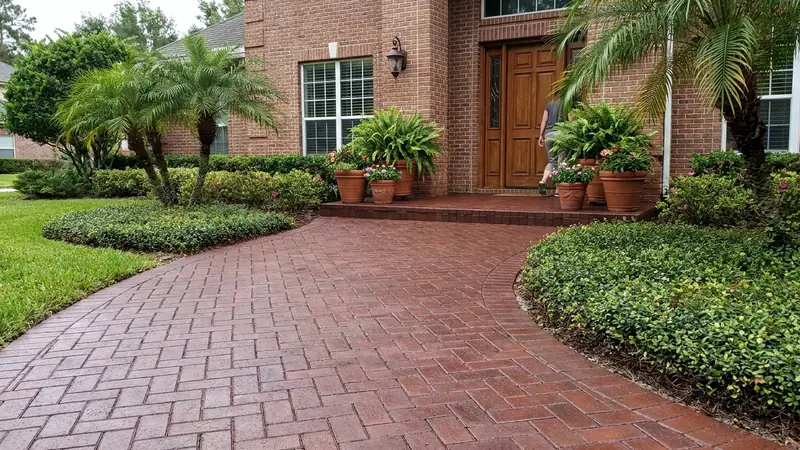
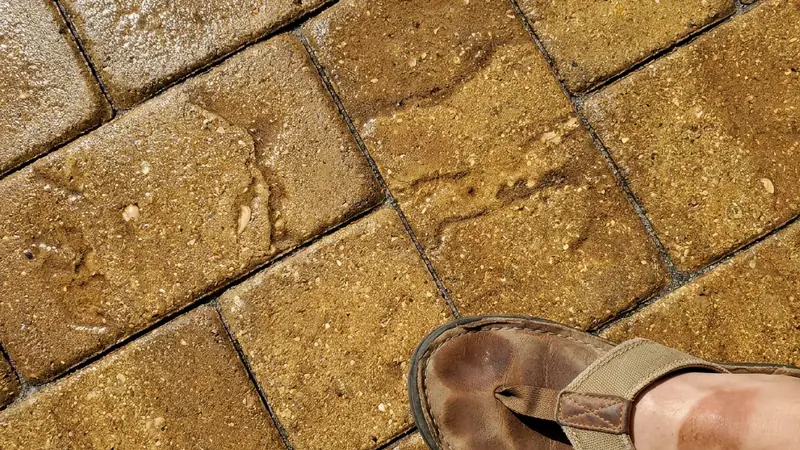
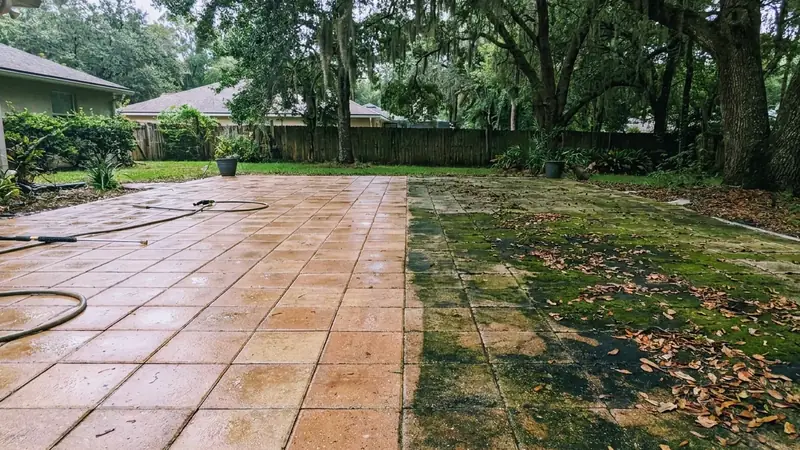
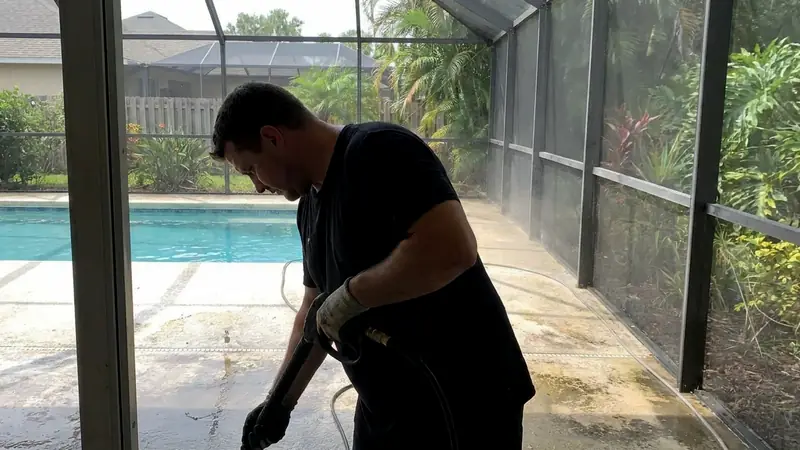
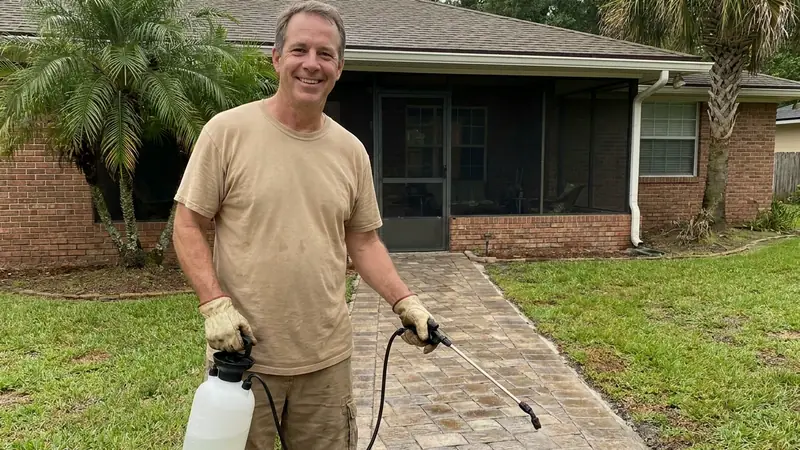
What do sealed pavers look like around Punta Gorda?
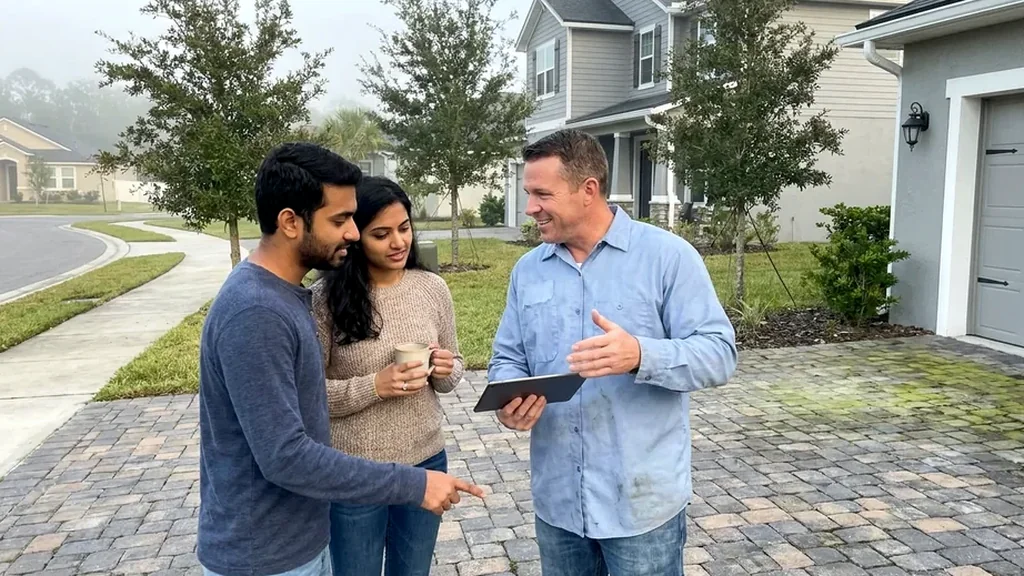
Why local matters in Punta Gorda
A contractor who works around Charlotte Harbor knows that salt air reaches most of the city, since most of Punta Gorda sits within a few hundred feet of salt water. That shapes how often a coat deserves a look and what the wash should remove. Someone new to the harbor may miss it. A contractor who covers Charlotte County is one call away at (239) 842-1847.
Local knowledge also means knowing the building eras. Punta Gorda has 1880s streets downtown, 1970s block houses and newer custom homes on the canals. Each calls for a slightly different wash and a different set of questions. If you know when your home went up, send a quick request and share it.
Seasonal owners need a contractor who can work around travel dates. The Census counts 2,727 homes in the city as held for seasonal or occasional use, per a local paver company. A job can be set for when you are away or when you are here. Call (239) 842-1847 to talk through your dates.
Does Punta Gorda's waterfront history matter for a paver job?
Yes, because the canals and the streets both come from that history. The name Punta Gorda, Fat Point, has appeared on maps since at least 1851, and the town sits where the Peace River meets Charlotte Harbor. Phosphate found on the Peace River in 1888 was barged down to Punta Gorda for shipping. If your home is near the river, send a quick request.
Charlotte County was formed in 1921, the same year the first Tamiami Trail bridge linked Punta Gorda and Charlotte Harbor. The Barron Collier Bridge followed in 1931, and a World War II Army airfield became Punta Gorda Airport. In 1959 Punta Gorda Isles added 55 miles of canals. For a home close to any of those, call (239) 842-1847 and share the street.
Frequently Asked Questions
How much does it cost to seal pavers in Punta Gorda?
The published range for Southwest Florida is $1.25 to $2.75 per square foot to clean, sand and seal. Where a Punta Gorda job lands depends on growth, old sealer and how much surface you have. Ask the estimate to state the square footage, so every bid describes the same area. Ask what the price includes, so each bid describes the same work.
How often should I seal pavers in Punta Gorda?
Expect the usual company quote of two to five years before the next coat. Salt in the air and busy tires may call for a check sooner near the water. Have a contractor check the coat and tell you where it stands. Watch for dull color and spots that stay after a rinse.
Should you seal pavers after power washing in Punta Gorda?
Yes, as long as the pavers are clean and bone dry. A wash pulls sand from the joints, which then get refilled before sealer. Dirt left under the coat stays trapped there, so the order matters.
Is it better to spray or roll paver sealer in Punta Gorda?
Contractors use sprayers, rollers or both. Coverage should be even, and the surface should be clean and dry. Find out which method the contractor prefers and how many coats it takes. A clear answer to both questions in the written estimate lets you compare one bid against another without guessing.
Does salt air from Charlotte Harbor wear sealer faster?
A local paver company says salt-laden air reaches most of Punta Gorda and works on sealer film and joint sand. That is a reason to check a waterfront coat a little sooner. Ask your contractor what they see on your pavers. A faded or chalky surface near the water is worth showing at the first visit, since it tells the contractor how the coat is aging.
Will pressure washing alone fix dull pavers in Punta Gorda?
It will clear dirt and green growth, but it will not protect the surface afterward. Washing also pulls sand from the joints. Without new sand and a sealer, the pavers can look dull again and the joints stay open. Green growth also tends to return sooner on a surface that was washed and left bare.
Can new sealer go over the old coat on my Punta Gorda pavers?
Not always. Sealers of the two types do not mix, so the contractor has to learn what is already on your Punta Gorda pavers. A peeling or cloudy coat is worth mentioning at the first visit. Any receipt or product name you can find helps the contractor decide what goes on next.
Ready for a Free Estimate in Punta Gorda?
Call (239) 842-1847 and tell us about your pavers.
Free, no obligation